Insulated vs. Non-Insulated Garage Doors: Which Is Right for Your Home?
TLDR;
If your garage is attached to your home or you use it as a workspace, an
insulated garage door is the better choice for energy efficiency, comfort, noise reduction, and durability. For detached garages used only for storage in mild climates, a non-insulated garage door is a budget-friendly option. The right choice depends on your climate, garage use, and budget.
What Are Insulated and Non-Insulated Garage Doors
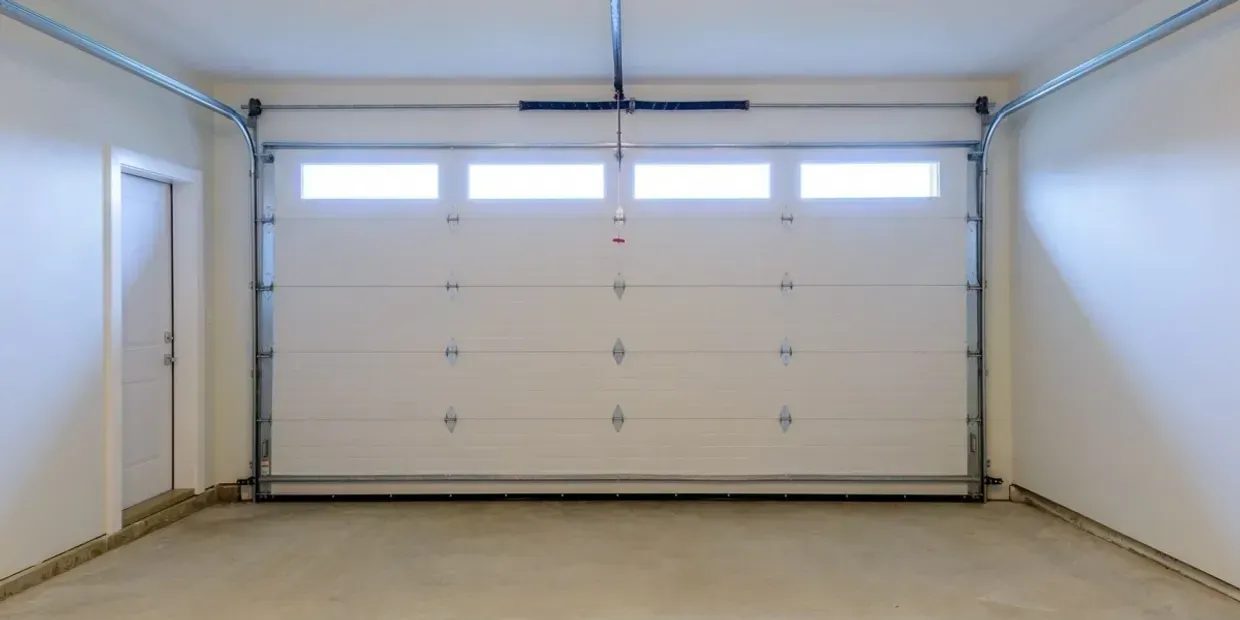
Insulated garage doors have multiple layers with insulation material such as polystyrene or polyurethane between steel or aluminum panels.
Non-insulated garage doors are typically a single layer of steel or aluminum without any thermal barrier.
Key differences in construction:
- Insulated doors: Two or three layers, often steel on both sides, filled with insulation.
- Non-insulated doors: One thin layer of metal or composite material, no insulation core.
Garage Door Insulation Types and R-Values Explained

R-value measures a door's resistance to heat transfer. Higher R-value means better insulation.
Common insulation types:
- Polystyrene: R-6 to R-9, affordable, moderate performance.
- Polyurethane: R-12 to R-18+, superior insulation, better noise reduction, more rigid.
- Vinyl-backed: Lower R-value, often used for budget-friendly upgrades.
Energy Efficiency and Climate Considerations
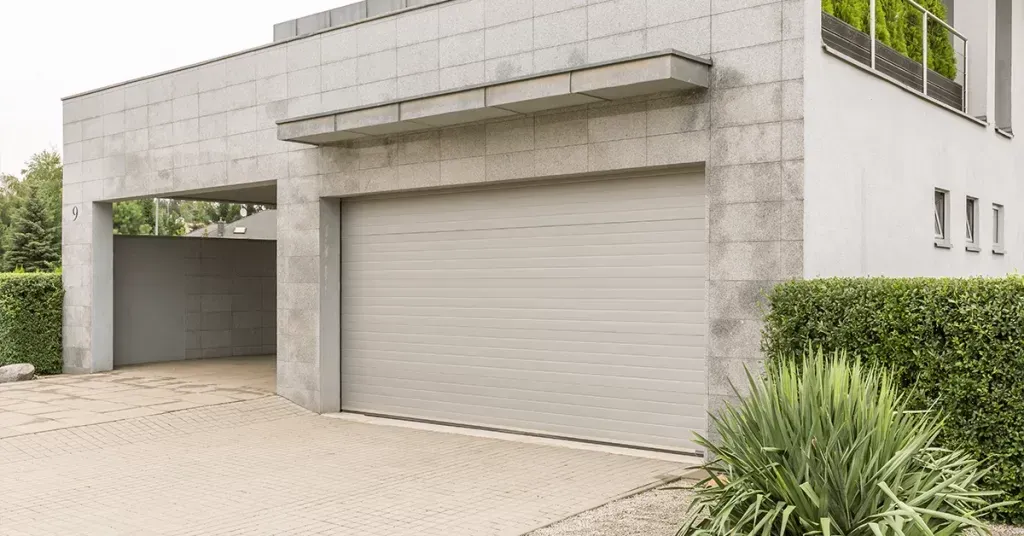
If you live in an area with extreme temperatures, insulation helps maintain indoor comfort and reduce heating and cooling costs.
For Colorado or other cold regions, insulated garage doors reduce heat loss in winter and block heat in summer.
Benefits of higher R-value in extreme climates:
- Reduced heat transfer through the door.
- Lower load on home HVAC systems.
- More stable temperature in the garage.
Noise Reduction for Attached Garages
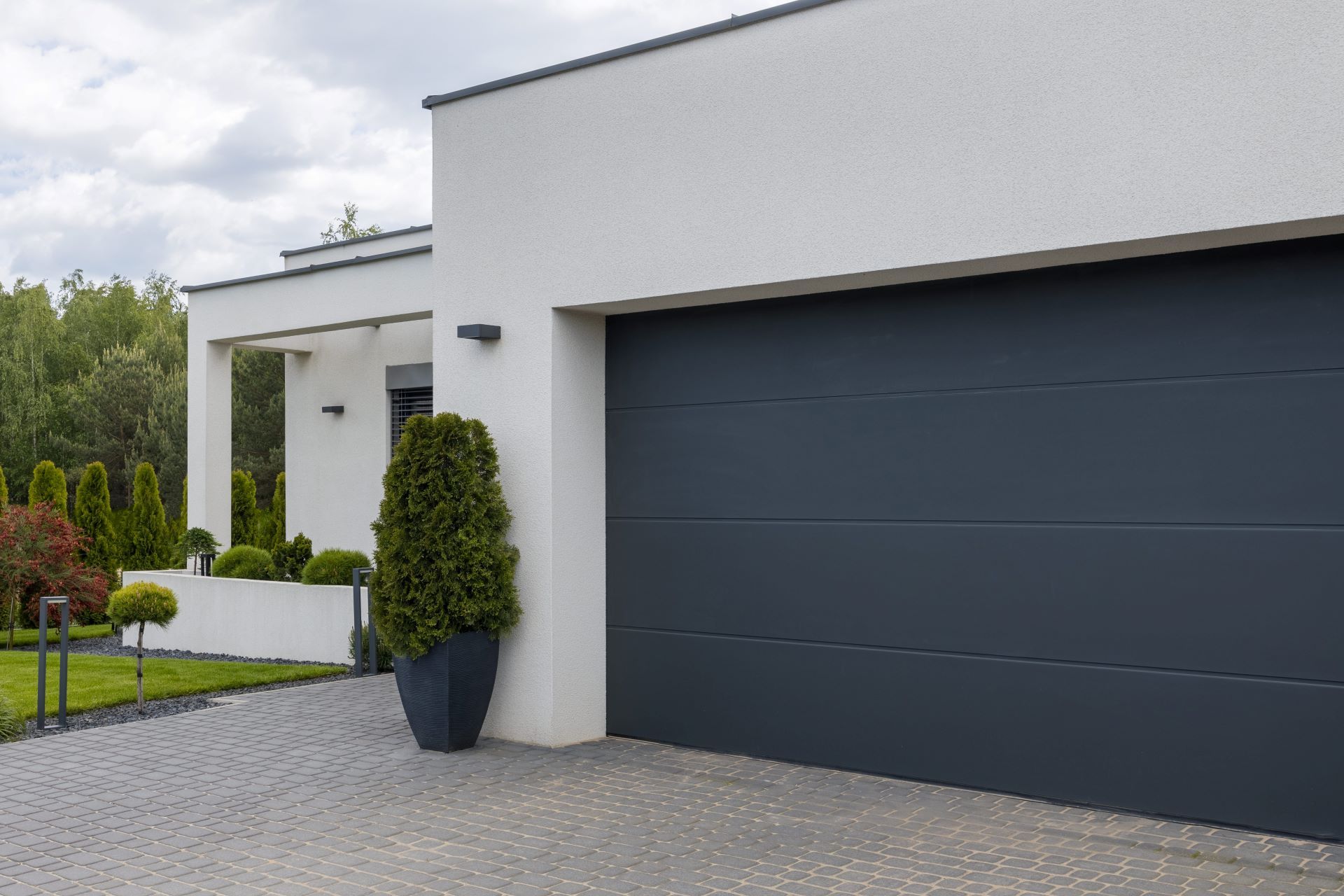
An insulated garage door is quieter during operation and blocks outside noise.
If your garage is attached near bedrooms or an office, insulation helps reduce disturbances.
Noise performance:
- Insulated: Noticeable drop in operational noise, reduced echo inside garage.
- Non-insulated: Louder operation, more vibration, transmits outdoor sounds.
Durability and Maintenance
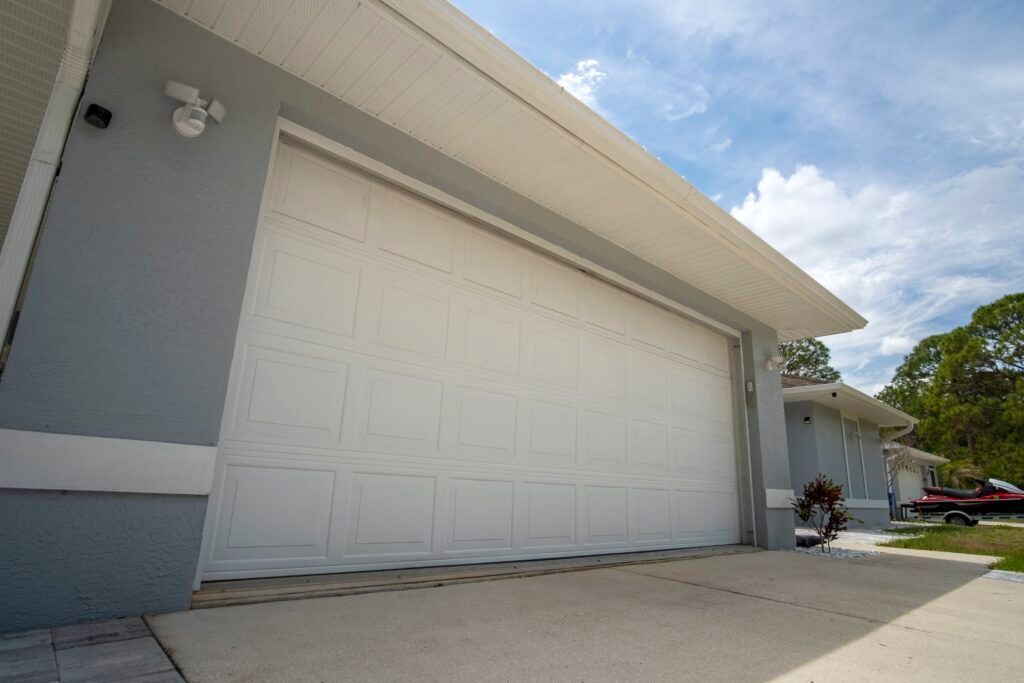
Insulated garage doors are stronger and more dent-resistant because of their layered construction. This added strength makes them less likely to suffer damage from hail, wind-blown debris, or accidental impact, all of which can lead to costly repairs or even garage door damage claims. If you're unsure whether your homeowner’s insurance will help cover these situations, Smart Garage Door recommends checking with your provider to understand what’s included in your policy.
Maintenance differences:
- Insulated: Heavier, so springs and openers must be sized correctly.
- Non-insulated: Easier to lift manually but less robust over time.
Cost Analysis and Return on Investment
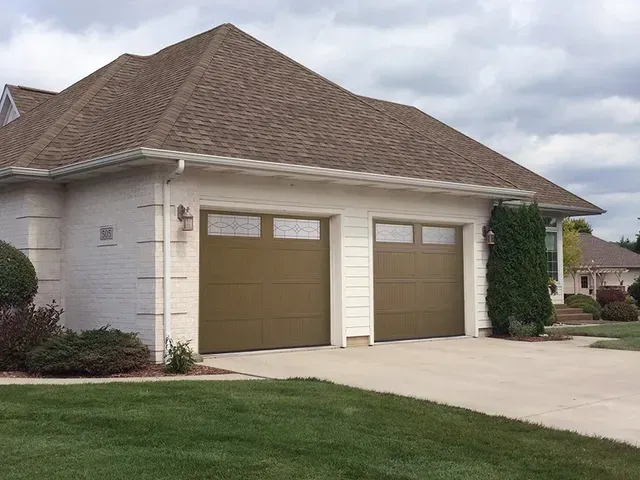
Typical cost ranges:
- Insulated: $800 to $2,500+ depending on size, material, and R-value.
- Non-insulated: $300 to $1,500.
ROI factors for insulated doors:
- Lower monthly energy bills for climate-controlled garages.
- Increased home value due to better curb appeal and comfort.
- Longer lifespan with reduced maintenance needs.
Use-Case Scenarios for Choosing the Right Door
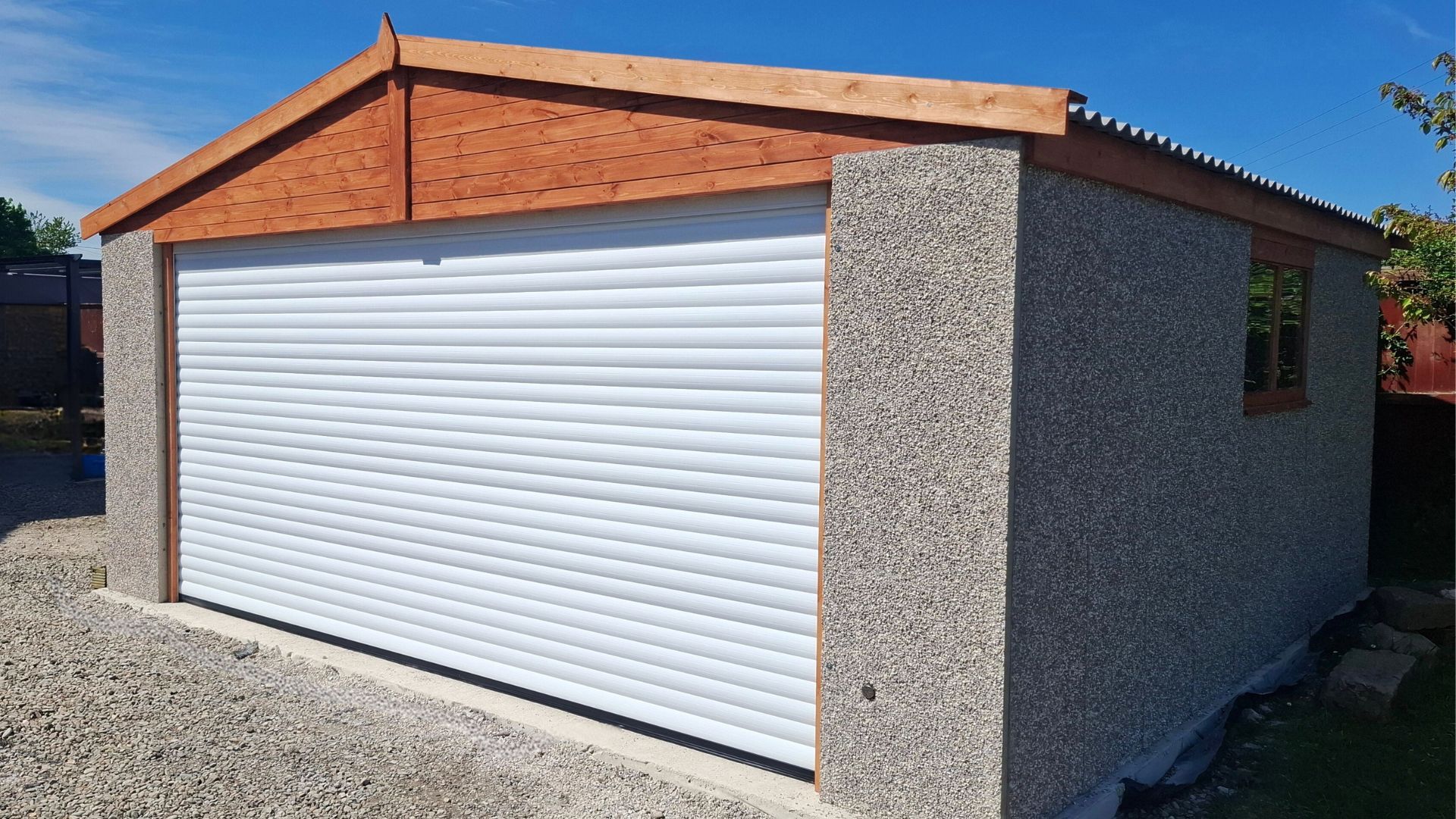
Attached heated garage or workspace: Insulated is the better investment.
Detached garage used for unheated storage: Non-insulated may be sufficient.
Examples:
- Home gym in garage: Insulated for comfort.
- Seasonal storage in detached garage: Non-insulated to save costs.
Weather-Sealing and Air Leakage Control

Even with an insulated door, poor sealing around the edges will waste energy.
Key elements to check:
- Bottom gasket to prevent drafts.
- Side and top weatherstripping.
- Proper alignment of panels.
Whole Garage Insulation Strategy
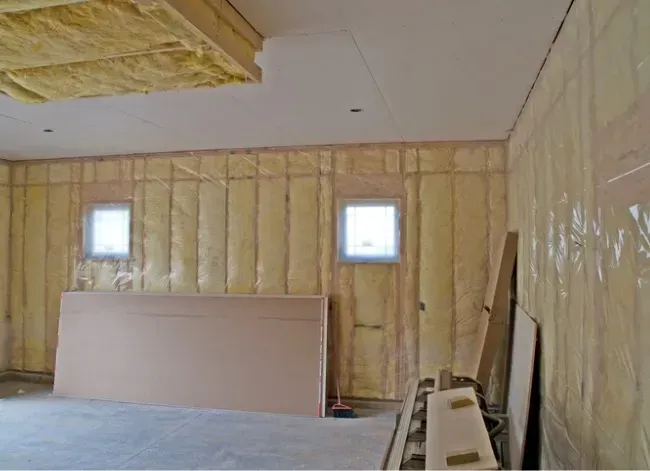
Pair an insulated garage door with:
- R-13 wall insulation for attached garages.
- R-19 or higher ceiling insulation if garage has a room above.
- Sealed and insulated service doors.
This combination maximizes temperature control and comfort.
Climate-Specific Considerations for Colorado
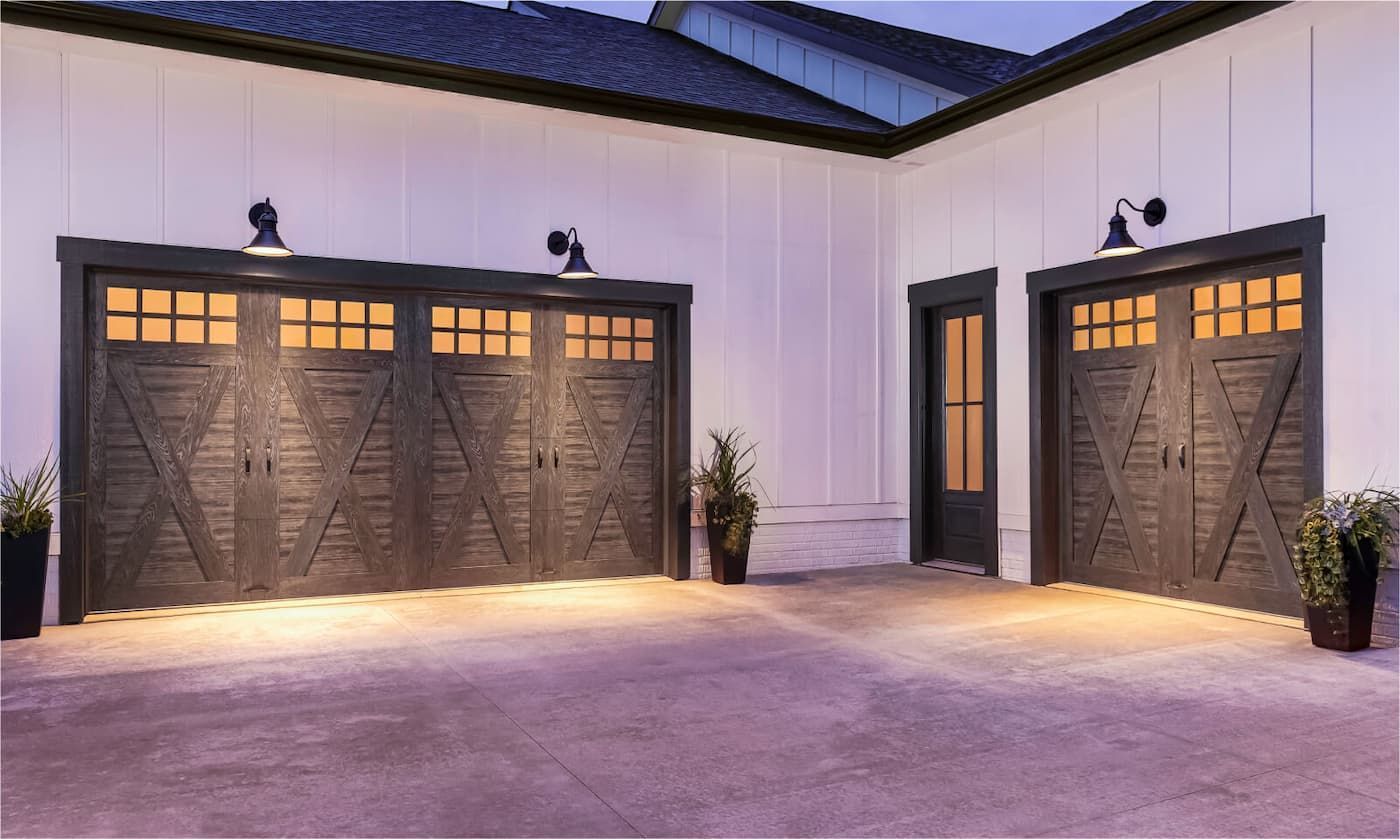
Colorado homes face cold winters, hot summers, and strong UV exposure.
Insulated garage doors protect against:
- Rapid temperature swings.
- Snow and ice buildup.
- UV-related material degradation.
DIY vs. Professional Installation

DIY insulation kits are available but may affect door balance and opener performance.
Professional installation ensures:
- Proper spring tension.
- Correct
weather seal installation.
- Safe operation and longevity.
Quick Comparison Table
Frequently Asked Questions
Is insulating a garage door worth it if I open it often?
Yes, if the garage is attached or climate-controlled. Even with frequent openings, insulation reduces energy loss when closed.
What R-value should I target for Colorado?
R-12 or higher for attached garages, R-6 to R-9 for detached.
Can I insulate the door myself?
Yes, but it requires correct weight balancing. Professional installation avoids strain on opener systems.
How much noise reduction can I expect?
An insulated door reduces noise by about 15 to 20 decibels depending on materials.
Will insulation damage springs or opener?
Only if the added weight is not balanced with proper spring adjustment.